How to Increase Your CIBIL Score Fast to Get a Loan
- Understanding the CIBIL Score
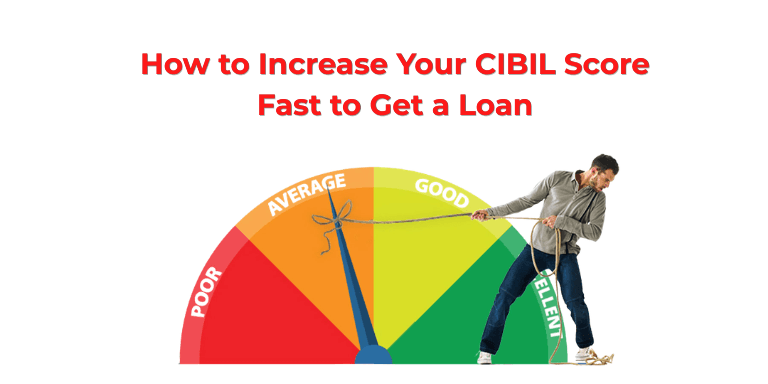
- Typical CIBIL Score Ranges
- Why Your CIBIL Score Matters When Applying for a Loan
- Common Reasons for a Low CIBIL Score
- Late or Missed Payments
- High Credit Utilization
- Too Many Loan Applications
- Settled or Written-Off Accounts
- Lack of Credit History
- Practical Ways to Increase Your CIBIL Score Fast
- 1. Pay All EMIs and Credit Card Bills on Time
- Best practices
- 2. Reduce Your Credit Utilization Ratio
- Ways to reduce utilization
- 3. Avoid Multiple Loan Applications
- Secured Loans
- Unsecured Loans
- 5. Keep Old Credit Accounts Active
- 6. Check Your Credit Report for Errors
- 7. Clear Outstanding Debts
- How an EMI Calculator Helps Maintain a Good Credit Score
- Why Using the Best EMI Calculator Matters
- Planning Loans Smartly With a Loan EMI Calculator
- Habits That Keep Your CIBIL Score Strong
- Always pay before the due date
- Avoid unnecessary credit cards
- Borrow only when necessary
- Monitor your credit profile regularly
- How Long Does It Take to Improve a CIBIL Score?
- Benefits of Having a High CIBIL Score
- Lower Interest Rates
- Higher Loan Eligibility
- Faster Loan Processing
- Better Financial Opportunities
- Frequently Asked Questions (FAQ)
- What is the minimum CIBIL score required for a loan?
- How can I increase my CIBIL score quickly?
- Does checking my CIBIL score reduce it?
- Can I get a loan with a low CIBIL score?
- How does an EMI calculator help before taking a loan?
- What factors affect a CIBIL score the most?
- Final Thoughts
Getting a loan today—whether it’s for a home, car, education, or personal needs—depends heavily on one number: your CIBIL score. Many people only realize how important this score is when their loan application gets delayed or rejected.
Your CIBIL score represents how trustworthy you are as a borrower. Banks and financial institutions use it to decide whether they should approve your loan, how much they should lend, and what interest rate they should offer.
If your score is low, getting a loan becomes difficult. But the good news is that improving your CIBIL score is possible, and in many cases, you can see noticeable improvements within a few months by following the right financial habits.
This guide explains how the CIBIL score works, why it matters for loan approvals, and practical steps you can take to increase it quickly. It also shows how tools like an EMI calculator can help you plan repayments responsibly and protect your credit profile.
Understanding the CIBIL Score
A CIBIL score is a three-digit number that usually ranges between 300 and 900. It is generated by credit bureaus based on your borrowing and repayment behavior.
Typical CIBIL Score Ranges
| Score Range | What It Means |
|---|---|
| 750 – 900 | Excellent credit profile |
| 700 – 749 | Good chances of loan approval |
| 650 – 699 | Moderate creditworthiness |
| 550 – 649 | Risky for lenders |
| Below 550 | Very difficult to get loans |
Most banks prefer borrowers with a score above 750. With a higher score, you may also get lower interest rates and faster loan approvals.
Why Your CIBIL Score Matters When Applying for a Loan
When you apply for a loan, lenders evaluate risk. A good credit score signals that you:
-
Repay loans on time
-
Manage credit responsibly
-
Maintain a balanced borrowing pattern
Because of this, borrowers with strong credit profiles usually receive:
-
Faster loan approvals
-
Lower interest rates
-
Higher loan amounts
-
Better repayment flexibility
A poor score, on the other hand, may lead to loan rejection or stricter loan conditions.
Common Reasons for a Low CIBIL Score
Before improving your score, it helps to understand why it might be low in the first place.
Late or Missed Payments
Missing credit card or loan payments has one of the biggest negative impacts on your score.
High Credit Utilization
Using too much of your available credit limit signals financial stress to lenders.
Too Many Loan Applications
Applying for multiple loans within a short time period creates multiple hard inquiries on your credit report.
Settled or Written-Off Accounts
If you settled a loan instead of fully repaying it, lenders may see it as a negative mark.
Lack of Credit History
People who have never taken credit may also have difficulty getting loans because lenders cannot assess their repayment behavior.
Practical Ways to Increase Your CIBIL Score Fast
Improving your credit score does not require complicated financial strategies. In most cases, consistent financial discipline can significantly raise your score.
Below are proven steps that work.
1. Pay All EMIs and Credit Card Bills on Time
Payment history is the most important factor affecting your credit score.
Even one missed payment can reduce your score significantly.
Best practices
-
Always pay EMIs before the due date
-
Set automatic payments from your bank account
-
Avoid paying only the minimum credit card amount
Timely payments gradually rebuild lender confidence and improve your score.
2. Reduce Your Credit Utilization Ratio
Credit utilization refers to the percentage of your credit limit that you are currently using.
For example:
-
Credit card limit: ₹1,00,000
-
Amount used: ₹70,000
-
Utilization ratio: 70%
Financial experts recommend keeping this ratio below 30%.
High utilization suggests dependency on credit, which can lower your score.
Ways to reduce utilization
-
Pay off outstanding balances quickly
-
Request a higher credit limit (without increasing spending)
-
Use multiple cards wisely rather than maxing out one card
3. Avoid Multiple Loan Applications
Each time you apply for a loan or credit card, the lender performs a hard inquiry on your credit report.
Too many inquiries in a short period may indicate financial distress.
Instead of applying randomly:
-
Compare loan options first
-
Check eligibility requirements
-
Apply only where approval chances are higher
This keeps your credit profile clean and stable.
4. Maintain a Healthy Credit Mix
A balanced mix of credit types can improve your score over time.
There are two main types of credit:
Secured Loans
Loans backed by assets such as:
-
Home loans
-
Car loans
-
Property loans
Unsecured Loans
Loans without collateral:
-
Personal loans
-
Credit cards
Having both types responsibly managed demonstrates strong financial discipline.
5. Keep Old Credit Accounts Active
The length of credit history also influences your score.
Older accounts show lenders that you have long-term borrowing experience.
Closing old credit cards may reduce your average credit age.
Instead:
-
Keep older accounts active
-
Use them occasionally for small transactions
-
Pay balances immediately
6. Check Your Credit Report for Errors
Sometimes low credit scores occur due to incorrect credit reporting.
Common errors include:
-
Incorrect loan balances
-
Closed accounts shown as active
-
Duplicate loan entries
-
Wrong payment status
Review your credit report periodically and dispute any inaccuracies.
Correcting these errors can quickly improve your score.
7. Clear Outstanding Debts
Unpaid loans significantly damage your credit profile.
If possible:
-
Pay overdue EMIs immediately
-
Negotiate repayment plans with lenders
-
Avoid settling loans unless absolutely necessary
Full repayment is always better for your credit score than settlement.
How an EMI Calculator Helps Maintain a Good Credit Score
One of the most common reasons people miss payments is poor financial planning.
Before taking any loan, it’s important to understand:
-
Monthly EMI amount
-
Total repayment cost
-
Interest payable over time
This is where tools like an EMI calculator become extremely useful.
An EMI calculator helps you estimate monthly repayments based on:
-
Loan amount
-
Interest rate
-
Loan tenure
By knowing your EMI in advance, you can choose a loan that fits comfortably within your monthly budget.
Why Using the Best EMI Calculator Matters
When planning a loan, borrowers often underestimate how interest and tenure affect repayments.
The best EMI calculator allows you to:
-
Compare different loan scenarios
-
Adjust tenure and interest rates
-
Plan affordable monthly payments
-
Avoid financial stress
This planning helps prevent missed payments, which directly protects your credit score.
Planning Loans Smartly With a Loan EMI Calculator
A loan EMI calculator provides clarity before you commit to a loan.
Instead of guessing monthly payments, you can instantly calculate:
-
Monthly EMI
-
Total interest payable
-
Total loan repayment amount
For people researching loans online, platforms such as Emi calculator vip provide a quick way to test different loan scenarios and understand repayment obligations before applying.
Used properly, such tools help borrowers avoid taking loans that strain their finances.
Habits That Keep Your CIBIL Score Strong
Improving your score is important, but maintaining it long-term is even more critical.
Here are habits that keep your credit profile healthy.
Always pay before the due date
Even a single delay can affect your score.
Avoid unnecessary credit cards
Too many cards increase the risk of overspending.
Borrow only when necessary
Taking loans you don’t need increases financial risk.
Monitor your credit profile regularly
Review your credit report at least once a year.
How Long Does It Take to Improve a CIBIL Score?
The timeline depends on the severity of the issue.
Typical improvement periods:
-
Minor payment delays: 2–3 months
-
High credit utilization: 1–2 months after reduction
-
Major credit issues: 6–12 months
Consistent positive credit behavior gradually increases your score.
Benefits of Having a High CIBIL Score
A strong credit score offers several advantages beyond loan approval.
Lower Interest Rates
Banks offer better rates to low-risk borrowers.
Higher Loan Eligibility
A good credit profile increases the amount lenders are willing to approve.
Faster Loan Processing
Applications with strong credit history are processed faster.
Better Financial Opportunities
From credit cards to home loans, lenders prefer reliable borrowers.
Frequently Asked Questions (FAQ)
What is the minimum CIBIL score required for a loan?
Most banks prefer a CIBIL score above 750 for easy loan approval. Some lenders may approve loans with lower scores, but interest rates may be higher.
How can I increase my CIBIL score quickly?
You can improve your score by:
-
Paying EMIs and credit card bills on time
-
Reducing credit card balances
-
Avoiding multiple loan applications
-
Checking and correcting credit report errors
Does checking my CIBIL score reduce it?
No. Checking your own credit score is considered a soft inquiry, which does not affect your score.
Can I get a loan with a low CIBIL score?
It is possible, but lenders may:
-
Offer higher interest rates
-
Approve smaller loan amounts
-
Require collateral or a co-applicant
Improving your score increases approval chances.
How does an EMI calculator help before taking a loan?
An EMI calculator estimates your monthly loan repayment, helping you determine whether a loan fits your financial capacity.
This prevents missed payments and protects your credit score.
What factors affect a CIBIL score the most?
The most important factors include:
-
Payment history
-
Credit utilization ratio
-
Length of credit history
-
Credit mix
-
Number of credit inquiries
Final Thoughts
Your CIBIL score plays a crucial role in your financial life. It determines not only whether you can get a loan but also the terms lenders offer.
Improving your score does not require complex strategies—just consistent financial discipline and smart credit management.
Paying bills on time, managing credit wisely, and planning loans carefully can steadily improve your credit profile.
Before committing to any loan, using tools like an EMI calculator or a loan EMI calculator can help you understand repayment obligations clearly. Platforms such as Emi calculator vip make it easier for borrowers to estimate EMIs and choose loan options that match their financial capacity.
Over time, responsible financial decisions will strengthen your credit profile and open the door to better borrowing opportunities.
Subscribe to our newsletter
Get the latest financial tips and calculator updates delivered straight to your inbox.