How to Check Your CIBIL Score for Free in India (Step-by-Step Guide)

- Why This Matters
- What Is a CIBIL Score (In Simple Terms)?
- Why You Should Check Your CIBIL Score Regularly
- 1. Avoid Loan Rejections
- 2. Get Better Interest Rates
- 3. Detect Errors or Fraud
- 4. Plan Loans Better
- Step-by-Step: How to Check Your CIBIL Score for Free in India
- Step 1: Visit an Official Credit Bureau Website
- Step 2: Sign Up or Log In
- Step 3: Enter Personal Details
- Step 4: Answer Verification Questions
- Step 5: View Your Score and Report
- How to Understand Your Credit Report
- Key Sections Explained:
- Common Mistakes That Lower Your CIBIL Score
- How Your CIBIL Score Affects EMI
- Example:
- Using an EMI Calculator to Plan Better
- What You Need:
- What You Get:
- Why Many People Prefer the Best EMI Calculator Tools
- Where EMI Calculator VIP Fits In
- Tips to Improve Your CIBIL Score Quickly
- 1. Pay All Dues on Time
- 2. Reduce Credit Card Usage
- 3. Avoid Multiple Loan Applications
- 4. Keep Old Accounts Active
- 5. Clear Outstanding Debts
- How Long Does It Take to Improve Your Score?
- Benefits of Using Professional Financial Tools & Services
- 1. Accurate Financial Planning
- 2. Better Loan Decisions
- 3. Time-Saving
- 4. Reduced Financial Risk
- 5. Clear Goal Setting
- Frequently Asked Questions (FAQ)
- 1. How can I check my CIBIL score for free in India?
- 2. Is checking my CIBIL score free?
- 3. Does checking my score reduce it?
- 4. What is a good CIBIL score for loans?
- 5. How often should I check my CIBIL score?
- 6. Can I get a loan with a low CIBIL score?
- 7. How does CIBIL score affect EMI?
- 8. What is the best EMI calculator to use?
- 9. Can I improve my score in 30 days?
- 10. Why should I use a loan EMI calculator before applying?
- Final Thoughts
Why This Matters
If you’re planning to take a loan, apply for a credit card, or even rent a home, your CIBIL score plays a bigger role than most people realize. It directly affects whether your application gets approved—and if it does, how much interest you’ll end up paying.
Yet many people in India either don’t check their score regularly or assume it’s a complicated, paid process. The truth is, you can check your CIBIL score for free, and it takes just a few minutes once you know how.
This guide explains everything in simple terms—what your CIBIL score means, how to check it step by step, and how it connects with tools like an EMI calculator when planning loans.
What Is a CIBIL Score (In Simple Terms)?
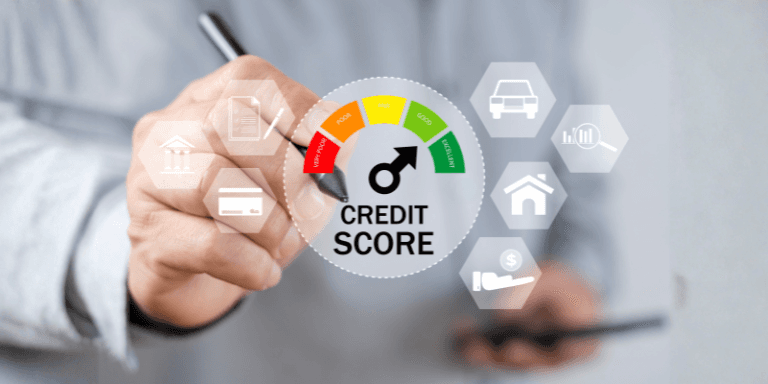
A CIBIL score is a three-digit number, usually between 300 and 900, that represents your creditworthiness.
Think of it as a financial report card:
-
750+ → Excellent (easy loan approvals, lower interest rates)
-
650–749 → Good (most approvals, moderate rates)
-
550–649 → Risky (limited approvals)
-
Below 550 → Poor (high chances of rejection)
Banks and lenders use this score to decide:
-
Whether to give you a loan
-
How much to lend
-
What interest rate to charge
Why You Should Check Your CIBIL Score Regularly
Many people only check their score when they need a loan—but by then, it might be too late to fix issues.
Here’s why regular checking helps:
1. Avoid Loan Rejections
A low score can lead to immediate rejection. Checking early gives you time to improve it.
2. Get Better Interest Rates
Even a small improvement in score can reduce your EMI significantly.
3. Detect Errors or Fraud
Sometimes incorrect data or unauthorized loans can appear in your report.
4. Plan Loans Better
When you combine your score with a loan EMI calculator, you can realistically estimate what you can afford.
Step-by-Step: How to Check Your CIBIL Score for Free in India
You can check your score through official credit bureaus and financial platforms. Here’s the simplest way:
Step 1: Visit an Official Credit Bureau Website
You can use:
-
CIBIL (TransUnion)
-
Experian India
-
Equifax India
-
CRIF High Mark
Most of these allow one free report per year (some platforms offer more frequent checks).
Step 2: Sign Up or Log In
Create an account using:
-
Your full name
-
Email ID
-
Mobile number
-
Password
You’ll receive an OTP for verification.
Step 3: Enter Personal Details
Provide:
-
PAN card number (mandatory)
-
Date of birth
-
Address details
Make sure everything matches your official records.
Step 4: Answer Verification Questions
You may be asked questions like:
-
Your existing loan EMI
-
Bank name of your credit card
-
Approximate loan amount
This helps confirm your identity.
Step 5: View Your Score and Report
Once verified, you’ll see:
-
Your CIBIL score
-
Credit history
-
Active loans and credit cards
-
Payment track record
How to Understand Your Credit Report
Just seeing the score isn’t enough—you need to understand what’s behind it.
Key Sections Explained:
1. Payment History
-
Shows if you paid EMIs on time
-
Even one missed payment can impact your score
2. Credit Utilization
-
How much of your credit limit you use
-
Ideal: Below 30%
3. Credit Mix
-
Combination of secured (home loan) and unsecured loans (credit cards)
4. Hard Enquiries
-
Every loan application is recorded
-
Too many enquiries can reduce your score
Common Mistakes That Lower Your CIBIL Score
Avoid these if you want to maintain a healthy score:
-
Missing EMI or credit card payments
-
Using full credit limit
-
Applying for multiple loans at once
-
Closing old credit accounts too quickly
-
Ignoring small dues
How Your CIBIL Score Affects EMI
Your score doesn’t just affect approval—it affects your monthly payments.
Example:
Let’s say you apply for a ₹5 lakh personal loan:
| CIBIL Score | Interest Rate | EMI |
|---|---|---|
| 780 | 10% | Lower EMI |
| 650 | 16% | Higher EMI |
This is where using a Best Home loan EMI calculator becomes important.
Using an EMI Calculator to Plan Better
Once you know your score, you can estimate your loan affordability using an EMI calculator.
What You Need:
-
Loan amount
-
Interest rate
-
Loan tenure
What You Get:
-
Monthly EMI
-
Total interest payable
-
Total repayment amount
Why Many People Prefer the Best EMI Calculator Tools
A best EMI calculator helps you:
-
Compare loan options quickly
-
Adjust tenure for lower EMIs
-
Understand total cost before applying
-
Avoid financial stress later
Instead of guessing, you make decisions based on real numbers.
Where EMI Calculator VIP Fits In
If you’re someone who regularly checks loan options or plans investments, tools like EMI Calculator VIP can simplify the process.
It allows you to:
-
Instantly calculate EMIs
-
Try different loan scenarios
-
Plan repayments based on your budget
It’s not about selling a tool—it’s about having clarity before making financial decisions.
Tips to Improve Your CIBIL Score Quickly
If your score is low, here’s what actually works:
1. Pay All Dues on Time
Set reminders or auto-pay.
2. Reduce Credit Card Usage
Keep usage below 30%.
3. Avoid Multiple Loan Applications
Too many enquiries hurt your score.
4. Keep Old Accounts Active
They increase your credit history length.
5. Clear Outstanding Debts
Even small dues matter.
How Long Does It Take to Improve Your Score?
-
Minor improvement: 30–60 days
-
Major improvement: 3–6 months
-
Significant recovery: 6–12 months
Consistency is key.
Benefits of Using Professional Financial Tools & Services
While checking your score is simple, planning finances often requires better tools.
Here’s how professional solutions help:
1. Accurate Financial Planning
No guesswork—everything is calculated.
2. Better Loan Decisions
You choose loans that fit your income.
3. Time-Saving
Quick comparisons instead of manual calculations.
4. Reduced Financial Risk
Avoid over-borrowing.
5. Clear Goal Setting
Plan for home loans, car loans, or personal loans with clarity.
Frequently Asked Questions (FAQ)
1. How can I check my CIBIL score for free in India?
You can check it through official credit bureau websites by signing up with your PAN and mobile number.
2. Is checking my CIBIL score free?
Yes, you are entitled to at least one free report per year. Some platforms offer more frequent checks.
3. Does checking my score reduce it?
No. Checking your own score is a soft enquiry and does not affect your score.
4. What is a good CIBIL score for loans?
A score of 750 or above is considered good for most loans.
5. How often should I check my CIBIL score?
Ideally, once every 3 months or before applying for a loan.
6. Can I get a loan with a low CIBIL score?
Yes, but:
-
Interest rates will be higher
-
Loan approval chances are lower
7. How does CIBIL score affect EMI?
Lower scores usually mean higher interest rates, which increases your EMI.
8. What is the best EMI calculator to use?
The best EMI calculator is one that is simple, accurate, and allows you to test different loan scenarios easily.
9. Can I improve my score in 30 days?
You can see small improvements, but major changes take a few months.
10. Why should I use a loan EMI calculator before applying?
It helps you:
-
Understand affordability
-
Avoid over-borrowing
-
Plan repayment comfortably
Final Thoughts
Checking your CIBIL score is no longer something you do only when a bank asks for it. It’s a basic financial habit—like checking your bank balance.
Once you know your score, combine it with tools like an EMI calculator or a loan EMI calculator to make smarter decisions. Instead of reacting to loan offers, you’ll be in control—choosing what works best for your financial situation.
Subscribe to our newsletter
Get the latest financial tips and calculator updates delivered straight to your inbox.