How CIBIL Score Affects Your Loan EMI and Interest Rate in India
- How Does CIBIL Score Affect EMI and Interest Rate?
- What Is a CIBIL Score?
- CIBIL Score Ranges in India
- Why Do Indian Banks Check Your CIBIL Score?
- How CIBIL Score Impacts Your Loan Interest Rate
- Typical Interest Rate Impact Based on CIBIL Score
- How Interest Rate Changes Your EMI
- Key Insight
- How CIBIL Score Affects Different Types of Loans in India
- Home Loan
- Personal Loan
- Car Loan
- Bike Loan
- Education Loan
- Real-Life EMI Comparison
- Applicant A: CIBIL Score 810
- Applicant B: CIBIL Score 640
- Difference
- What Is a Good CIBIL Score for Loan Approval?
- Recommended Scores by Loan Type
- How to Improve Your CIBIL Score
- 1. Pay EMIs and Credit Card Bills on Time
- 2. Keep Credit Utilization Below 30%
- 3. Avoid Multiple Loan Applications
- 4. Maintain a Healthy Credit Mix
- 5. Check Your Credit Report Regularly
- 6. Clear Outstanding Dues
- RBI and Responsible Borrowing in India
- Use Our EMI Calculator to Check Your Monthly Payments
- Expert Tips to Get Lower Loan EMIs
- EEAT: Why You Can Trust This Information
- Frequently Asked Questions (FAQs)
- 1. What CIBIL score is required for a home loan in India?
- 2. Can I get a loan with a 650 CIBIL score?
- 3. Does a higher CIBIL score reduce EMI?
- 4. How often is the CIBIL score updated?
- 5. Is 700 a good CIBIL score?
- 6. Can RBI increase or decrease my CIBIL score?
- 7. How can I check my CIBIL score?
- 8. Does checking my own CIBIL score affect it?
- 9. Which loan is most affected by CIBIL score?
- 10. How long does it take to improve a low CIBIL score?
- Conclusion
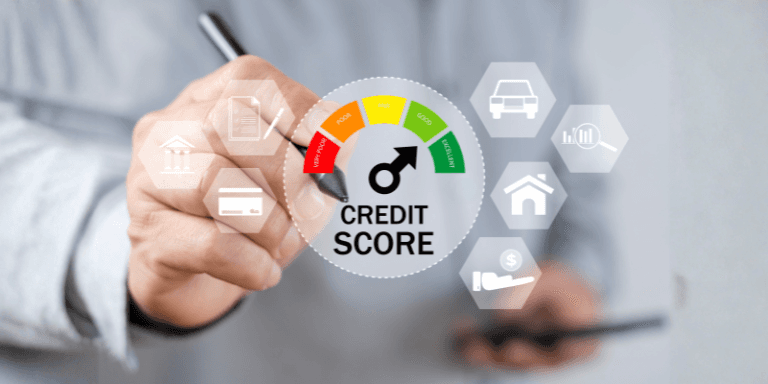
Your CIBIL score plays a major role in determining whether your loan gets approved, what interest rate you receive, and how much EMI you pay every month. In India, borrowers with a high CIBIL score typically enjoy lower interest rates, smaller EMIs, and faster approvals from banks and NBFCs.
How Does CIBIL Score Affect EMI and Interest Rate?
A higher CIBIL score (usually 750 or above) helps you qualify for lower loan interest rates. Since EMI depends on the loan amount, tenure, and interest rate, a lower rate means a lower EMI. A poor CIBIL score may lead to higher interest rates, larger EMIs, or even loan rejection.
What Is a CIBIL Score?
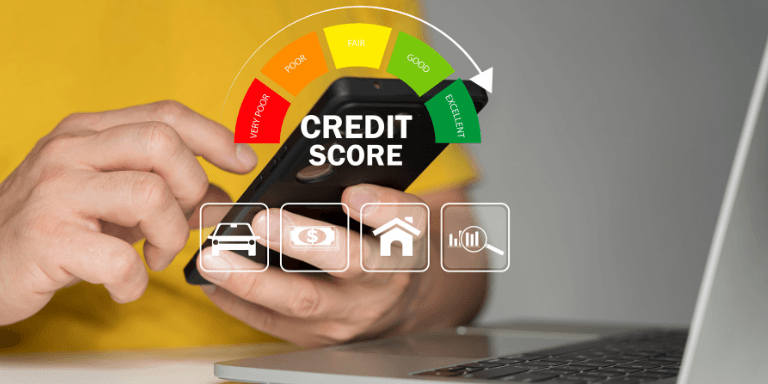
TransUnion CIBIL score is a three-digit number ranging from 300 to 900 that reflects your creditworthiness. It is calculated based on your repayment history, credit utilization, loan mix, and credit inquiries.
CIBIL Score Ranges in India
| CIBIL Score | Credit Profile | Loan Eligibility |
|---|---|---|
| 800–900 | Excellent | Best interest rates |
| 750–799 | Very Good | High approval chances |
| 700–749 | Good | Standard rates |
| 650–699 | Fair | Higher rates possible |
| Below 650 | Poor | Loan rejection likely |
Why Do Indian Banks Check Your CIBIL Score?
Most lenders in India, including State Bank of India, HDFC Bank, ICICI Bank, and Axis Bank, use your CIBIL score to assess lending risk.
A strong score indicates:
- Timely repayments
- Responsible credit usage
- Lower default risk
- Better financial discipline
As a result, lenders are more likely to offer lower interest rates and flexible terms.
How CIBIL Score Impacts Your Loan Interest Rate
Interest rate is the biggest factor affecting your EMI. Even a small difference of 0.5% to 2% can significantly change the total amount you repay.
Typical Interest Rate Impact Based on CIBIL Score
| CIBIL Score | Possible Interest Rate Outcome |
|---|---|
| 800+ | Lowest available rates |
| 750–799 | Competitive rates |
| 700–749 | Moderate rates |
| 650–699 | Higher-than-average rates |
| Below 650 | Very high rates or rejection |
How Interest Rate Changes Your EMI
EMI (Equated Monthly Instalment) increases when the interest rate increases.
EMI=P×r×(1+r)n(1+r)n−1EMI = P \times r \times \frac{(1+r)^n}{(1+r)^n – 1}
Where:
- P = Loan amount
- r = Monthly interest rate
- n = Number of monthly instalments
Example: ₹10 Lakh Home Loan for 20 Years
| CIBIL Score | Interest Rate | Monthly EMI | Total Interest |
|---|---|---|---|
| 800 | 8.20% | ₹8,529 | ₹10.47 lakh |
| 750 | 8.60% | ₹8,726 | ₹10.94 lakh |
| 680 | 9.75% | ₹9,400 | ₹12.56 lakh |
| 620 | 11.50% | ₹10,643 | ₹15.54 lakh |
Key Insight
A poor CIBIL score can increase your EMI by more than ₹2,000 per month and add several lakhs to your total repayment cost.
How CIBIL Score Affects Different Types of Loans in India
Home Loan
Banks generally prefer a CIBIL score above 750 for the best home loan rates.
Personal Loan
Since personal loans are unsecured, lenders often require a higher score and may charge higher rates for lower scores.
Car Loan
Most banks approve car loans with scores above 700, but lower scores can attract higher EMIs.
Bike Loan
Two-wheeler loans are easier to obtain, but your credit score still influences the interest rate offered.
Education Loan
A good CIBIL score can improve approval chances and reduce borrowing costs.
Real-Life EMI Comparison
Applicant A: CIBIL Score 810
- Personal Loan: ₹5,00,000
- Tenure: 5 years
- Interest Rate: 11%
- EMI: ₹10,871
Applicant B: CIBIL Score 640
- Personal Loan: ₹5,00,000
- Tenure: 5 years
- Interest Rate: 18%
- EMI: ₹12,699
Difference
- Extra EMI per month: ₹1,828
- Additional repayment over 5 years: ₹1,09,680
This example shows how maintaining a good credit score directly reduces borrowing costs.
What Is a Good CIBIL Score for Loan Approval?
For most Indian lenders, a score of 750 or above is considered ideal.
Recommended Scores by Loan Type
| Loan Type | Recommended CIBIL Score |
|---|---|
| Home Loan | 750+ |
| Personal Loan | 750+ |
| Car Loan | 700+ |
| Bike Loan | 650+ |
| Business Loan | 750+ |
How to Improve Your CIBIL Score
If your score is low, follow these steps before applying for a loan:
1. Pay EMIs and Credit Card Bills on Time
Payment history is the most important factor.
2. Keep Credit Utilization Below 30%
Avoid using too much of your available credit limit.
3. Avoid Multiple Loan Applications
Too many hard inquiries can reduce your score.
4. Maintain a Healthy Credit Mix
A combination of secured and unsecured loans can help.
5. Check Your Credit Report Regularly
Review your report from TransUnion CIBIL and dispute any errors.
6. Clear Outstanding Dues
Settle overdue accounts and reduce debt burden.
RBI and Responsible Borrowing in India
Reserve Bank of India regulates banks and NBFCs to ensure fair lending practices. While RBI does not set your personal CIBIL score, lenders use credit bureau data to assess risk and price loans accordingly.
A better score often leads to:
- Lower interest rates
- Better negotiation power
- Faster approvals
- Higher sanctioned amounts
Use Our EMI Calculator to Check Your Monthly Payments
Before applying for any loan, estimate your monthly EMI and total interest.
👉 Use our EMI Calculator at emicalculator.vip
Our calculator helps you:
- Compare loan scenarios
- Adjust tenure and interest rate
- Understand affordability
- Plan your finances better
Expert Tips to Get Lower Loan EMIs
- Maintain a CIBIL score above 750
- Compare offers from multiple banks
- Choose a longer tenure for lower EMIs
- Make a higher down payment
- Negotiate rates if your credit score is strong
- Avoid applying during periods of financial stress
EEAT: Why You Can Trust This Information
This article is based on widely accepted lending practices followed by Indian banks and NBFCs, along with guidelines from the Reserve Bank of India and credit assessment standards used by TransUnion CIBIL. The examples are educational and designed to help borrowers understand how credit scores affect loan costs.
Frequently Asked Questions (FAQs)
1. What CIBIL score is required for a home loan in India?
Most lenders prefer a score of 750 or above to offer the best home loan interest rates.
2. Can I get a loan with a 650 CIBIL score?
Yes, but you may face higher interest rates and stricter approval criteria.
3. Does a higher CIBIL score reduce EMI?
Yes. A higher score can help you secure a lower interest rate, which reduces your EMI.
4. How often is the CIBIL score updated?
Usually every 30–45 days after lenders report new repayment data.
5. Is 700 a good CIBIL score?
Yes, it is considered decent, though scores above 750 generally receive better offers.
6. Can RBI increase or decrease my CIBIL score?
No. RBI regulates lenders, but your score is calculated by credit bureaus based on your credit behavior.
7. How can I check my CIBIL score?
You can check it through TransUnion CIBIL and other authorized credit platforms.
8. Does checking my own CIBIL score affect it?
No. Self-checks are considered soft inquiries and do not impact your score.
9. Which loan is most affected by CIBIL score?
Personal loans are highly sensitive because they are unsecured and carry greater risk for lenders.
10. How long does it take to improve a low CIBIL score?
With consistent repayments and lower credit utilization, noticeable improvements may appear within 3 to 6 months.
Conclusion
Your CIBIL score has a direct impact on your loan eligibility, interest rate, and monthly EMI. In India, maintaining a score of 750 or higher can save you thousands of rupees every month and lakhs over the full loan tenure.
Before applying for a home loan, personal loan, car loan, or bike loan, check your credit score and estimate your monthly payments.
Subscribe to our newsletter
Get the latest financial tips and calculator updates delivered straight to your inbox.